
Sustainability

Sustainability
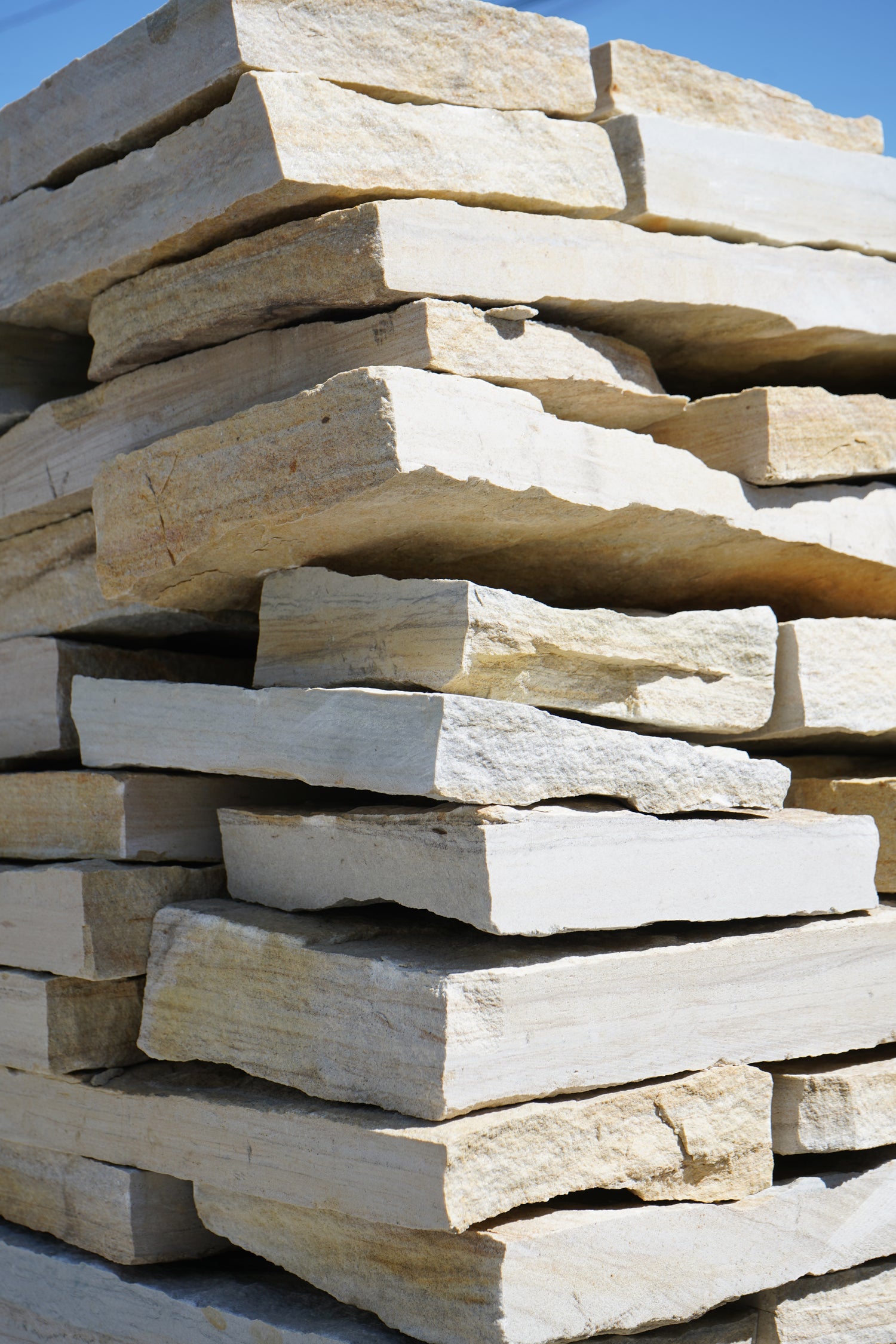
Why choose natural stone over concrete imitations?
1. A naturally eco-friendly solution
Unlike molded concrete products, natural stone does not require heavy processing. It is extracted, cut, and installed — with no energy-intensive industrial manufacturing and no cement associated with high CO₂ emissions. The result is a much lower carbon footprint from the start.
2. A durable and cost-effective long-term choice
Natural stone is highly resistant to freeze-thaw cycles, salt, UV rays, and erosion. It can last for generations. In comparison, concrete pavers or imitation stone products tend to chip, fade, or shift over time. This means less replacement, less maintenance, and lower long-term costs.
3. A 100% reusable material
At the end of its life cycle, natural stone can be recovered, repositioned, or reused elsewhere in a landscaping project. No chemical treatment is required. By contrast, imitation concrete products often end up in landfills or are difficult to recycle.
4. A usefull action for the environment
Choosing natural stone helps reduce your carbon footprint, supports local resources, and reflects today’s values of sustainable construction.
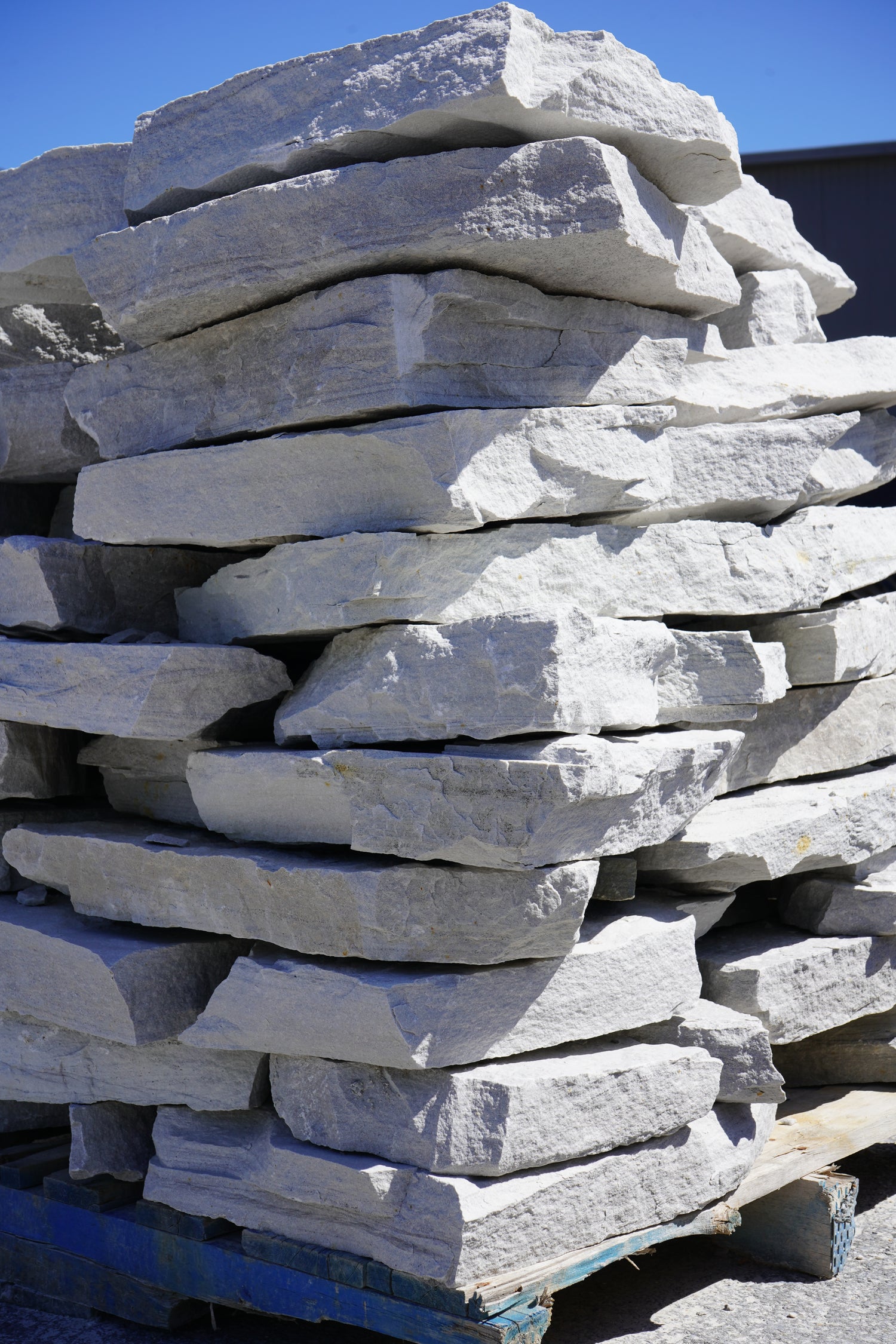
What is an EPD?
Proof of environmental transparency
An EPD (Environmental Product Declaration) is a third-party verified document that details the environmental impacts of a product throughout its entire life cycle. It is the internationally recognized standard (ISO 14025) for demonstrating the environmental performance of a material.
An advantage for LEED projects
Yes, an EPD can contribute toward LEED points, depending on the project version (v4 or v4.1).
In general:
Up to 1 point may be earned if the project team provides 20 or more construction products with verified EPDs.
Products with EPDs can also contribute to “Materials and Resources” credits, particularly those related to transparency and optimization of environmental declarations.